
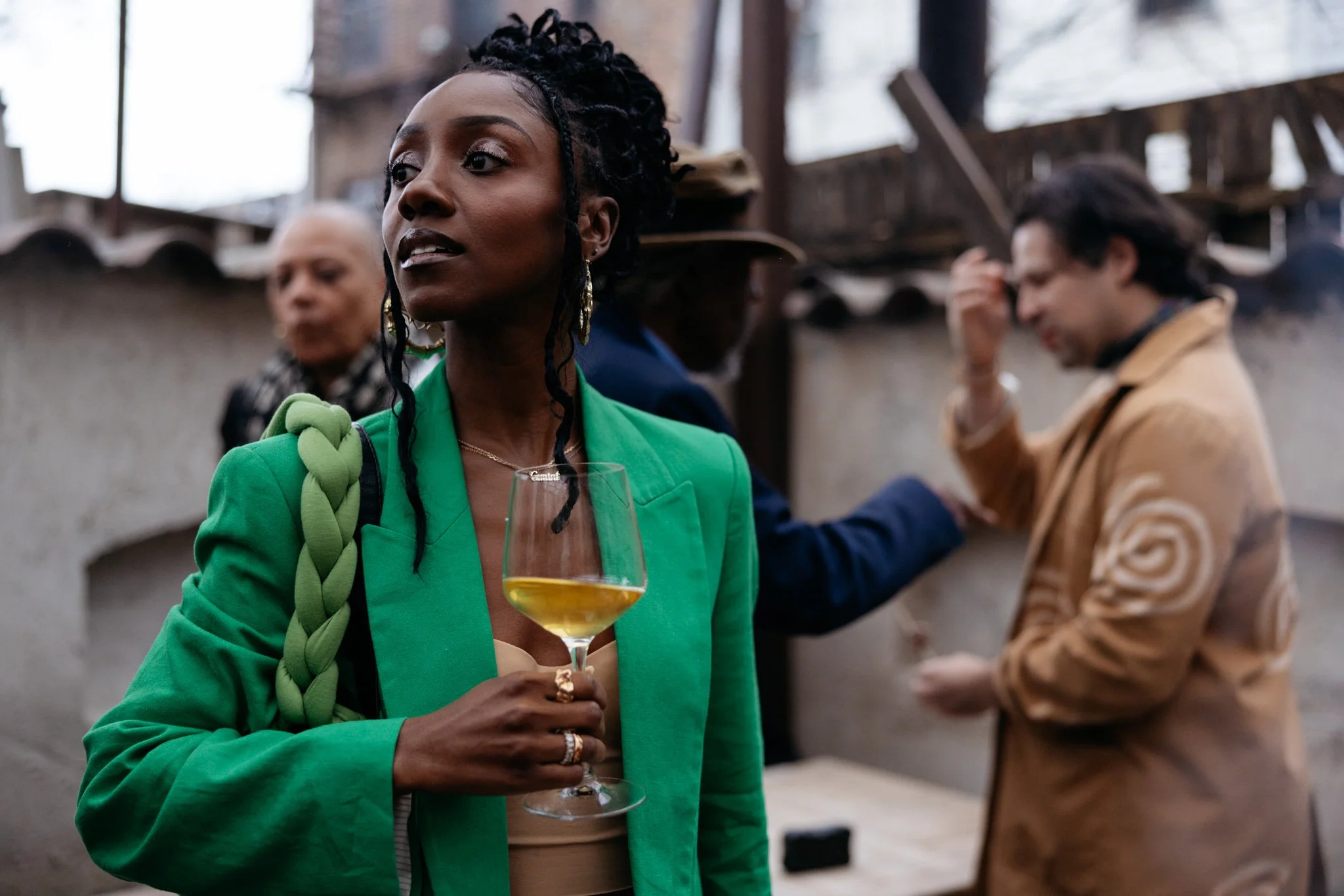
What We Owe Mas
Today, Sesame Flyers announced that they are stepping away from the Labor Day Parade. What we know as New York Carnival has changed drastically over the years, and, to be frank, I understand their decision.
While spectating the parade this year, I felt overwhelmed by “stormers” and desperately wanted to see MAS. I was excited when I finally saw Sesame Flyers approaching, and I kid you not, when their truck passed, I literally said out loud, “Well, that was disappointing.” Not because of Sesame Flyers themselves, but because of what surrounded them.
The Labor Day Parade has been losing something for years as fewer mas bands participate, and the road becomes increasingly difficult for a masquerader’s experience. Sesame Flyers, in particular, represents something deeply personal to me. It is one of the longstanding bands in New York Carnival, but more importantly, it is the band my mother played with when she came to this country. She even played mas while pregnant with me, so in some ways, I was on the road before I ever had the chance to choose it for myself.
To me, Sesame Flyers is part of the essence of New York Carnival. It is woven into my family history and my own relationship to mas. So to see their presence and legacy diminished by what the parade has become saddened me deeply.
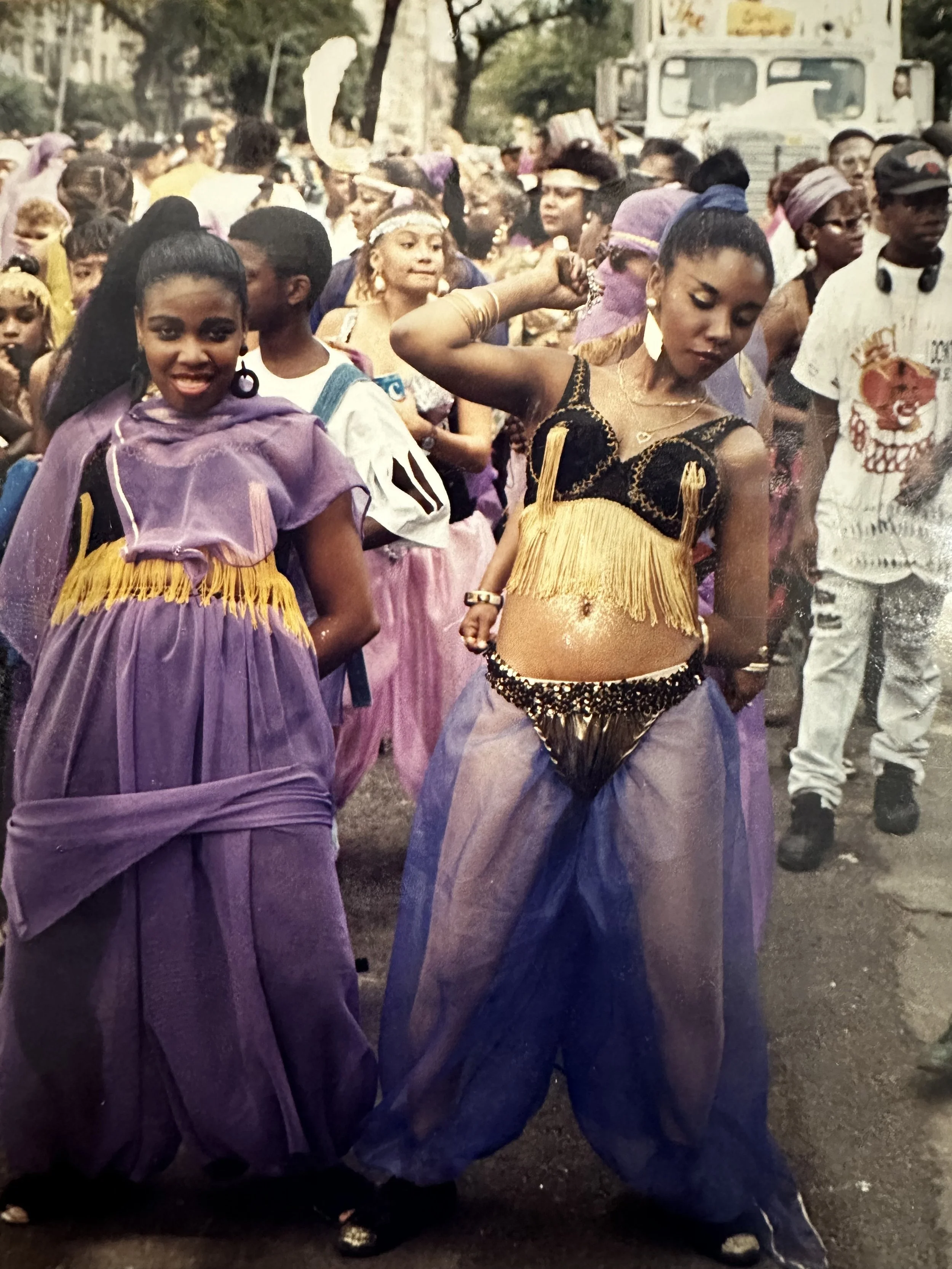
My aunt Donna Fuchung and my mother, Bernadette Limada, during the 1991 New York Carnival while she was pregnant with me.
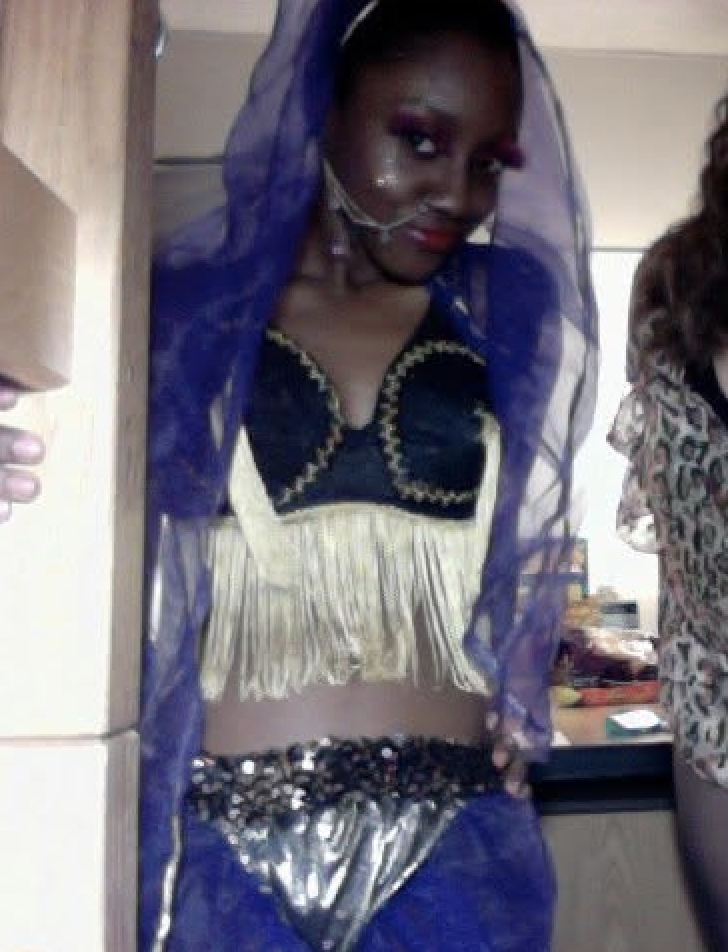
Myself in the same costume for Halloween in 2010 at SUNY Purchase.
There has been plenty of discussion about the parade’s length, the permit process, “stormers,” security, and the rising cost of playing mas. I may ruffle some feathers here, but I believe many of these things are symptoms of a much larger issue, not the cause.
In my opinion, the West Indian American Day Carnival Association has a system that no longer adequately works to support, maintain, or preserve Caribbean heritage, particularly mas culture. To say the system feels old and outdated is putting it lightly. But criticism without participation only gets us so far.
We desperately need younger generations to become involved. People like myself should volunteer, help organize, learn from those who came before us, and bring new ideas into these spaces to preserve them. At some point, the torch has to be passed, and those of us asking for it must also be willing to carry it.
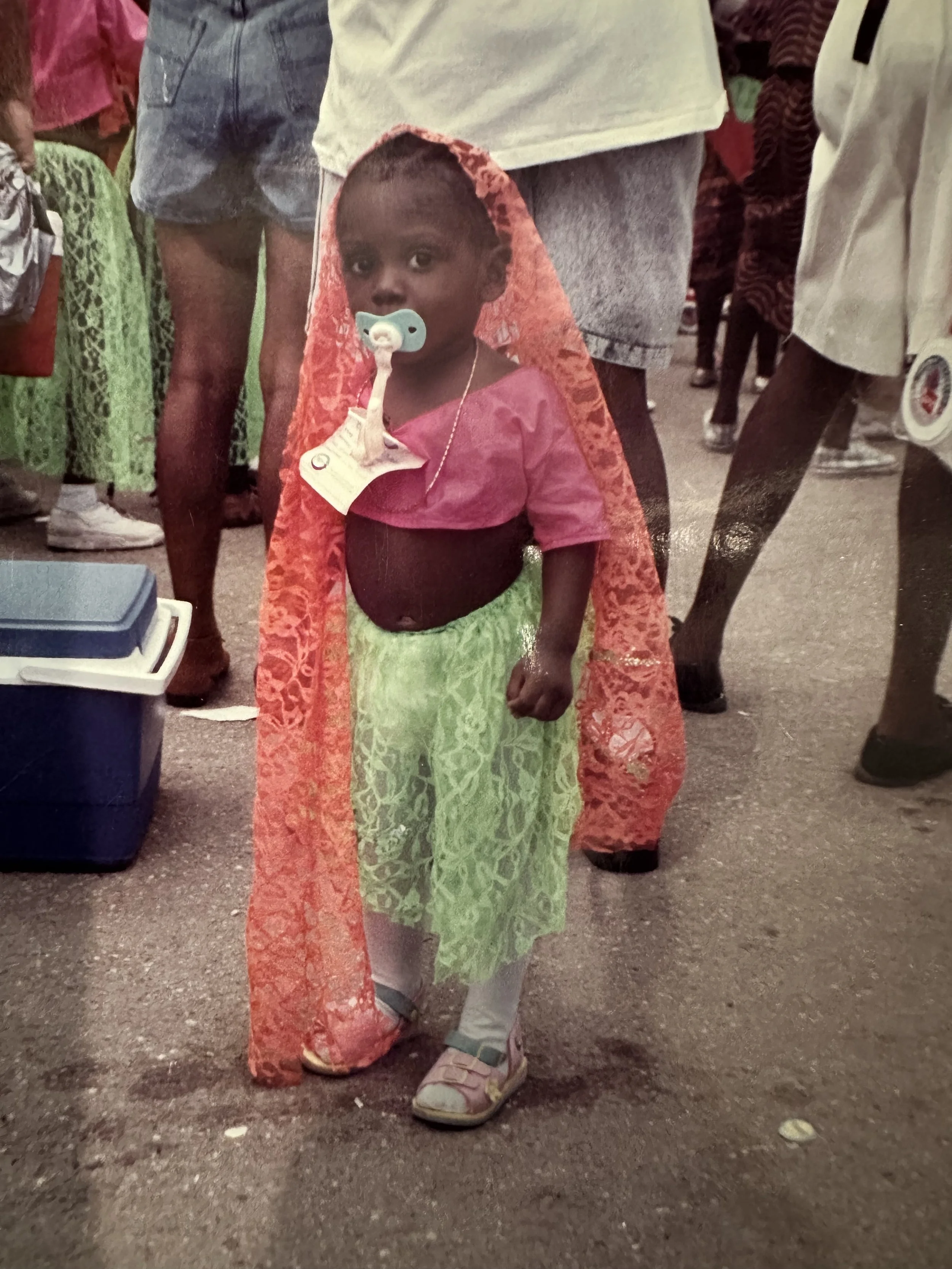
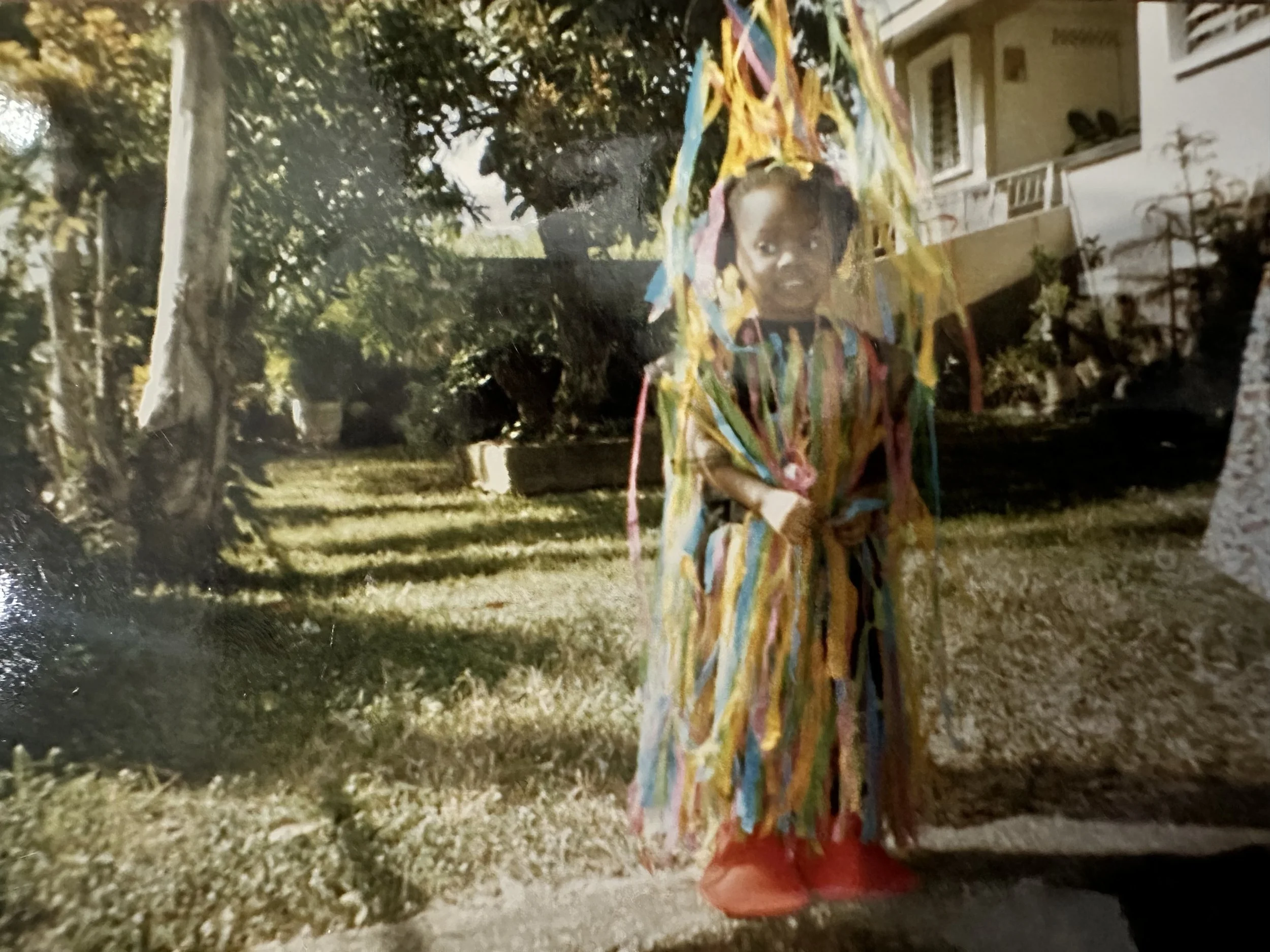
Kiddies Carnival in Trinidad & Tobago in the 90s.
Mas is many things. At its core, it is part of who we are. It is rebellion and revelry, protest and praise, art form and activism, party and performance. It is beauty, imagination, resistance, and some of the best of ourselves.
As a Caribbean community, I believe we have done a grand disservice by not adequately educating younger generations about its history, origins, and meaning. And this is not solely a New York problem. I see it happening worldwide throughout Carnival culture.
Yes, we love to jump and wine. Yes, we love to fete. Yes, joy is part of the tradition, and it should be. Though Carnival cannot be simplified into a street party or a reason to drink and dance on the road. Its history is far more complicated, radical, sacred, and beautiful than that. Mas is spiritual.
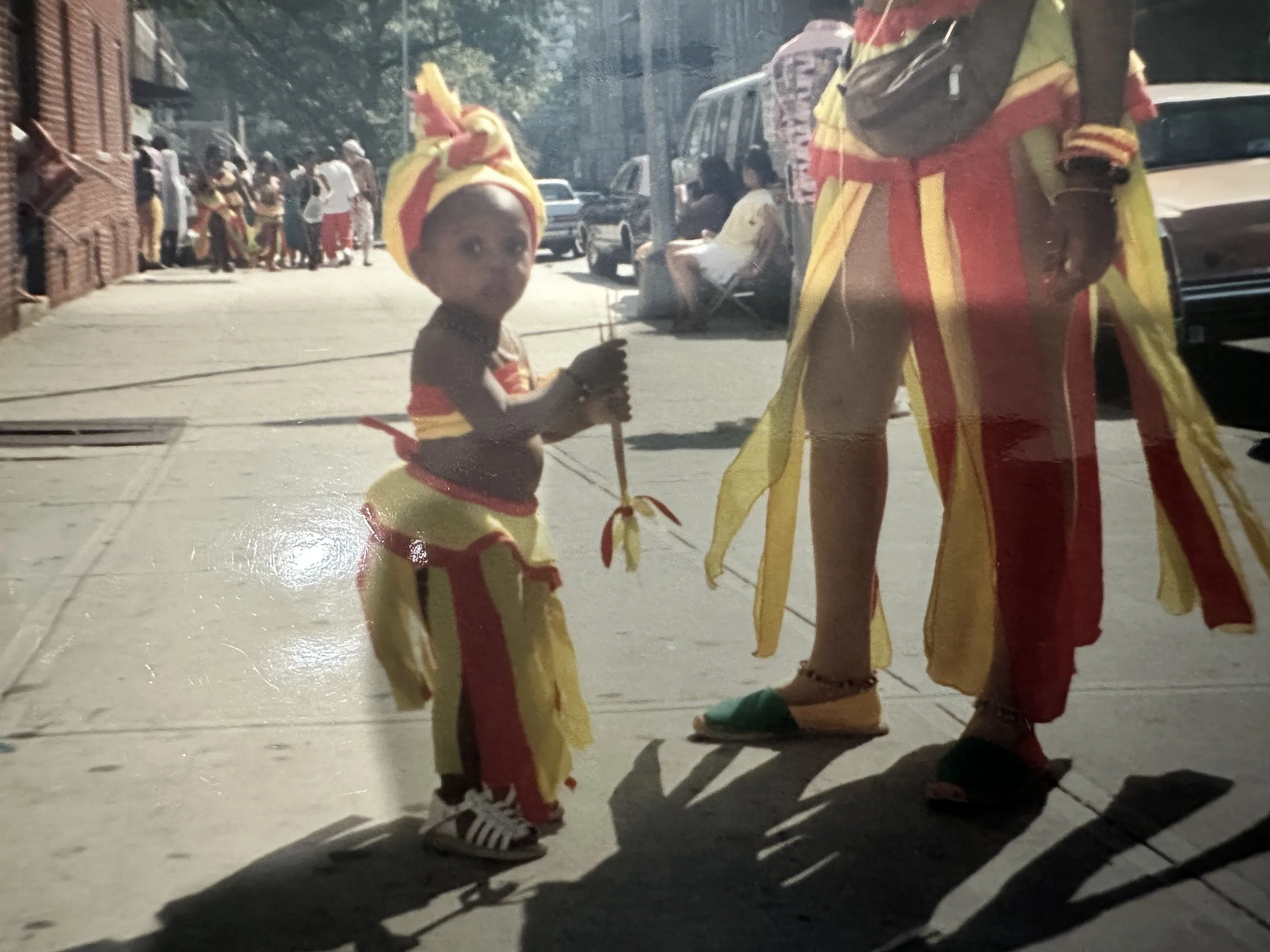
My mother and I, in matching costumes made by my late grandmother during New York Carnival in the 90s.
It is also a business. That might sound less romantic, but it is equally important to acknowledge. Carnival is an industry that operates worldwide and year-round. Creative directors, bandleaders, coordinators, costume designers, wire benders, sewists, decorators, DJs, musicians, photographers, makeup artists, builders, producers, and countless others contribute to what we eventually see on the road. And like every other industry, that labor costs money.
There are many elements of Carnival that are free and accessible, and I fully support conversations around affordability and sustainability. I also support people learning to create and personalize their own costumes; resourcefulness and creativity have always been part of mas. But conversations about costume costs require nuance. The world has become more expensive, and naturally, so has mas. Materials cost money. Labor costs money. Production costs money. And costume design itself is an art form that requires tremendous skill, imagination, resources, and technical ability.
We cannot advocate for preserving mas while simultaneously diminishing the people whose artistry makes mas possible. My late grandmother, Rose Limada, was a seamstress. She made everything from costumes and gowns to pillowcases and couch covers. I grew up seeing firsthand what her hands could create and how gifts like hers contributed to the beauty of mas. I have also had the privilege of working with Patterson Nelson of Peacopat, whom I affectionately call my fairy godfather. He has crafted many of my looks throughout my experiences in Caribbean pageantry, from swimwear to gowns and, of course, costumes.
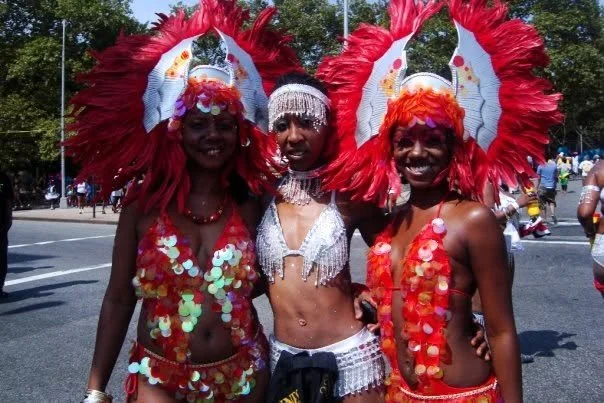
My mother, aunt Arynthia Alexander, and I during New York Carnival in 2009.
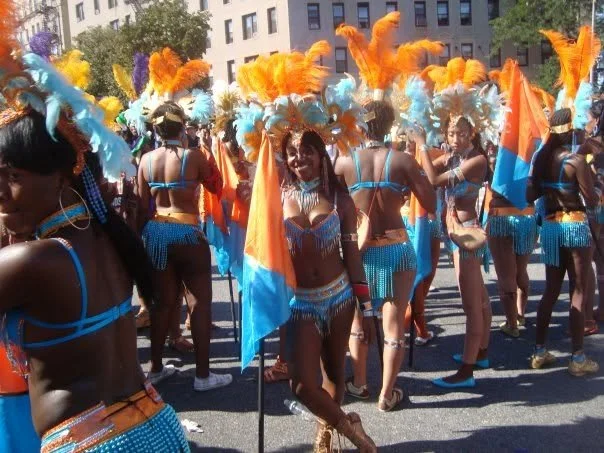
After crossing the stage during New York Carnival in 2008.
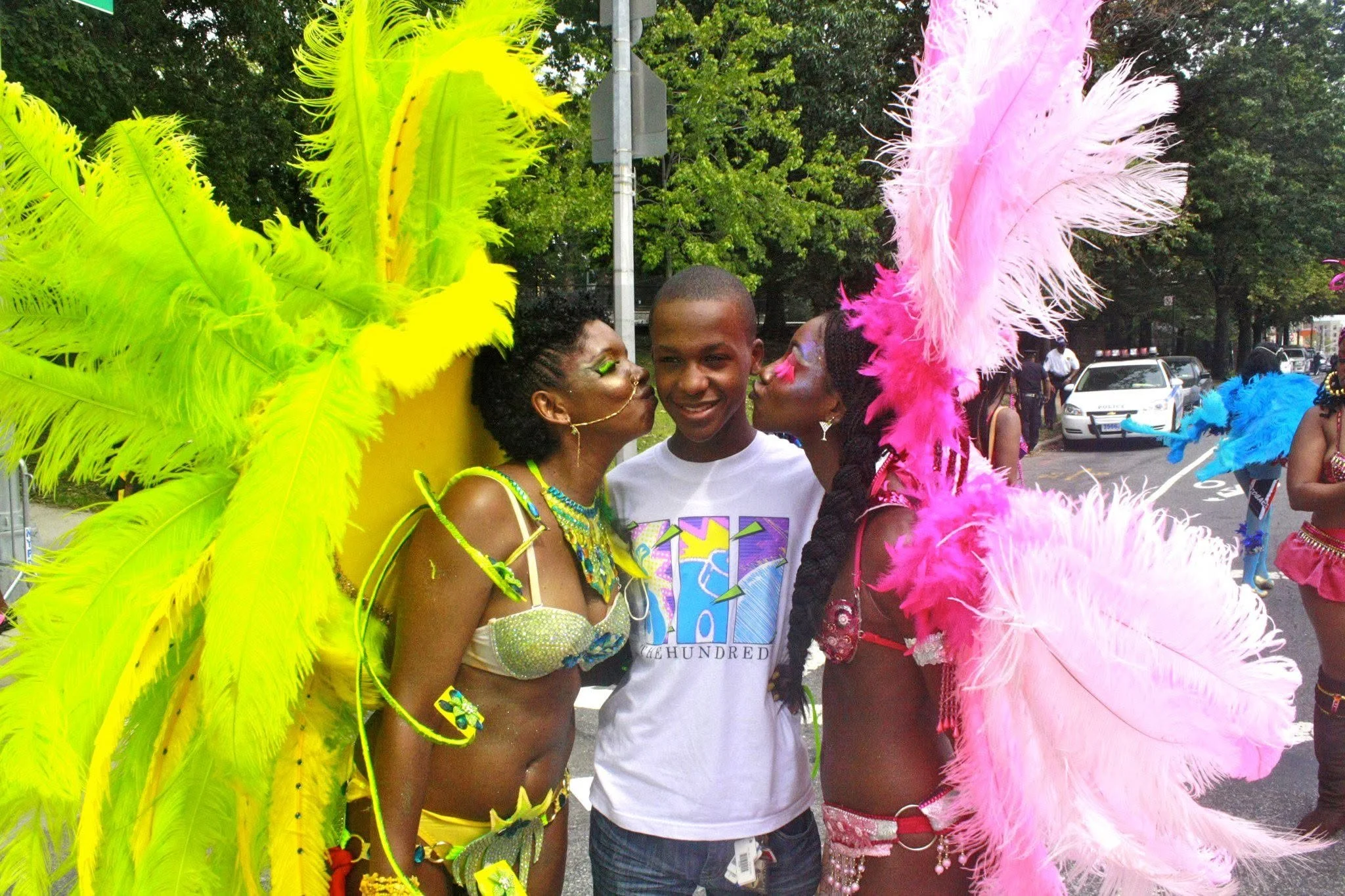
My mother, my cousin, Kimani Alexander, and I during New York Carnival in 2011.
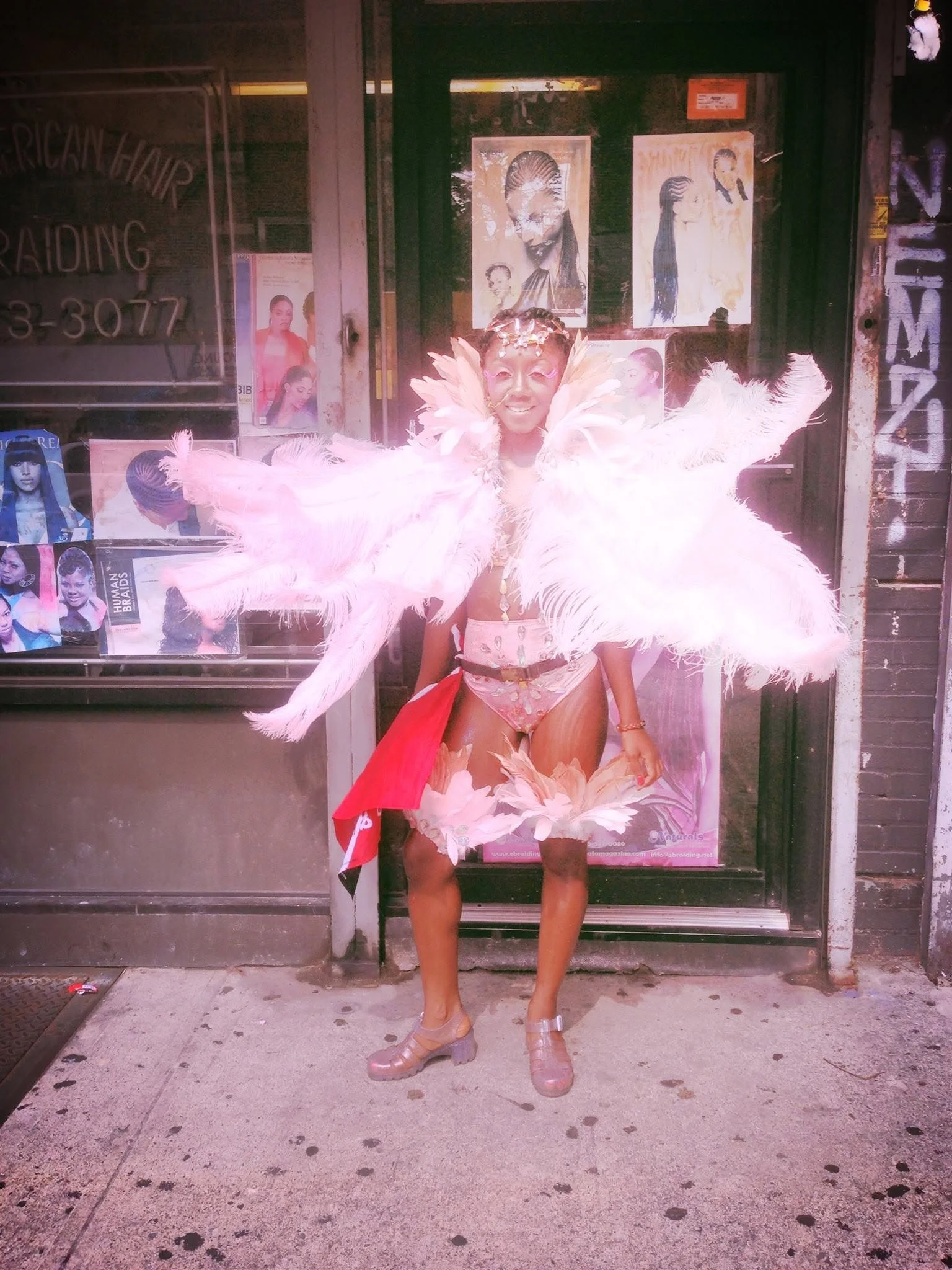
New York Carnival in 2013.
When someone takes fabric, beads, feathers, wire, gems, a concept, and turns it into something that moves on a human body, it reminds me that costume design is not just decoration. It is craft, storytelling, and cultural work. So while I welcome conversations about making Carnival more sustainable and affordable, the costume designer cannot become collateral damage in that conversation. Their role is imperative to mas culture and deserves to be valued.
Ultimately, preserving Carnival requires us to hold several truths at once. We have to make room for accessibility without devaluing artistry. We have to welcome evolution without abandoning history. We have to celebrate the fete while remembering the resistance. We have to make space for younger generations while honoring the people whose shoulders we stand on. And most importantly, we have to decide whether we want Carnival to live, or whether we want Carnival to survive. Those are not the same thing.
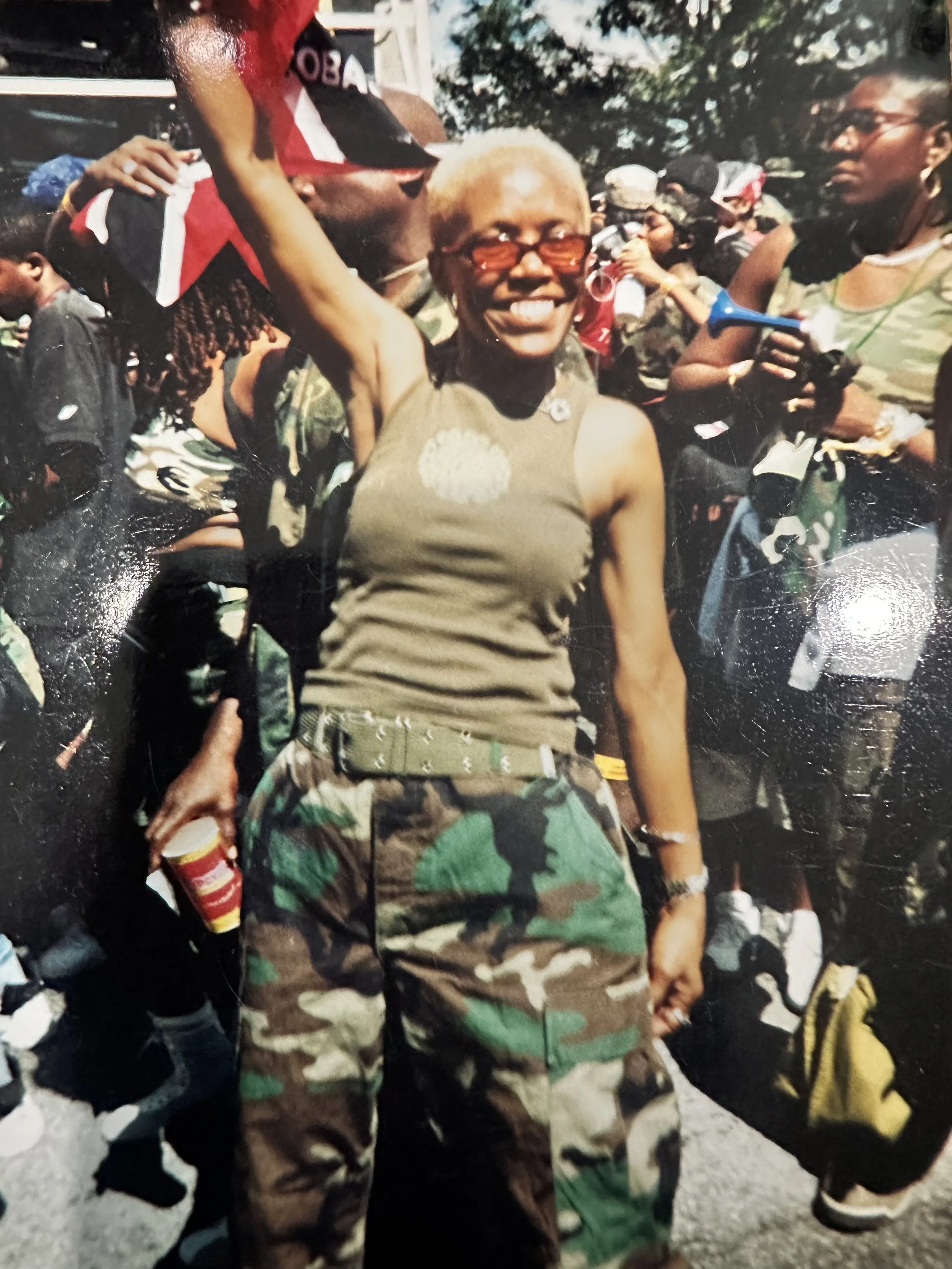
My late grandmother, Rose Limada, jumping up in a camouflage band during New York Carnival in the early 2000s.
If we are going to ask who is responsible for carrying this culture forward, then we also have to ask what responsibility belongs to us. As Miss WIADCA 2017, I once had the honor of representing this organization and the culture it exists to serve. And so, this is my public declaration that I intend to return to WIADCA and become part of the change I want to see.
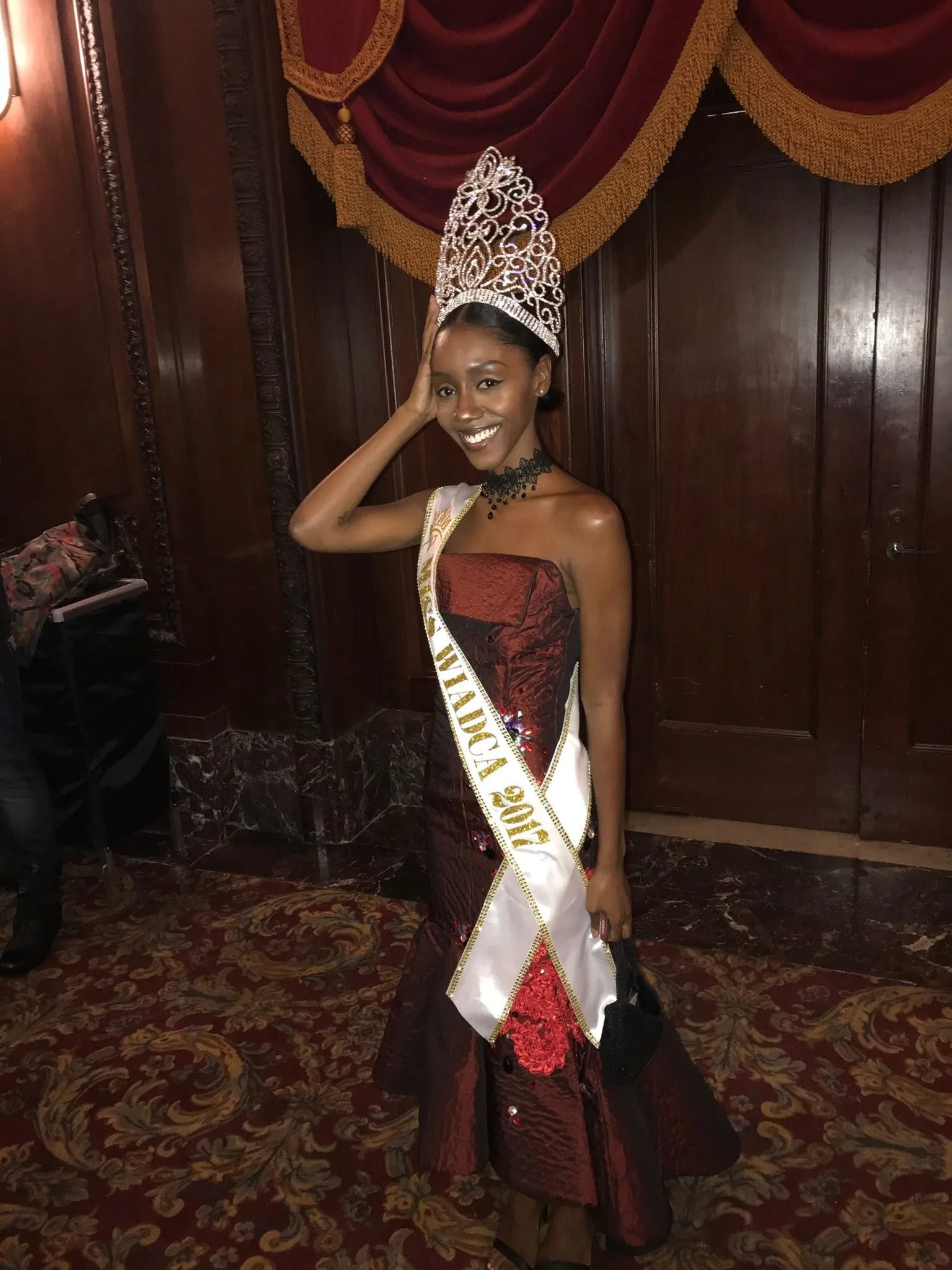
As Miss WIADCA 2017 at Kings Theater.
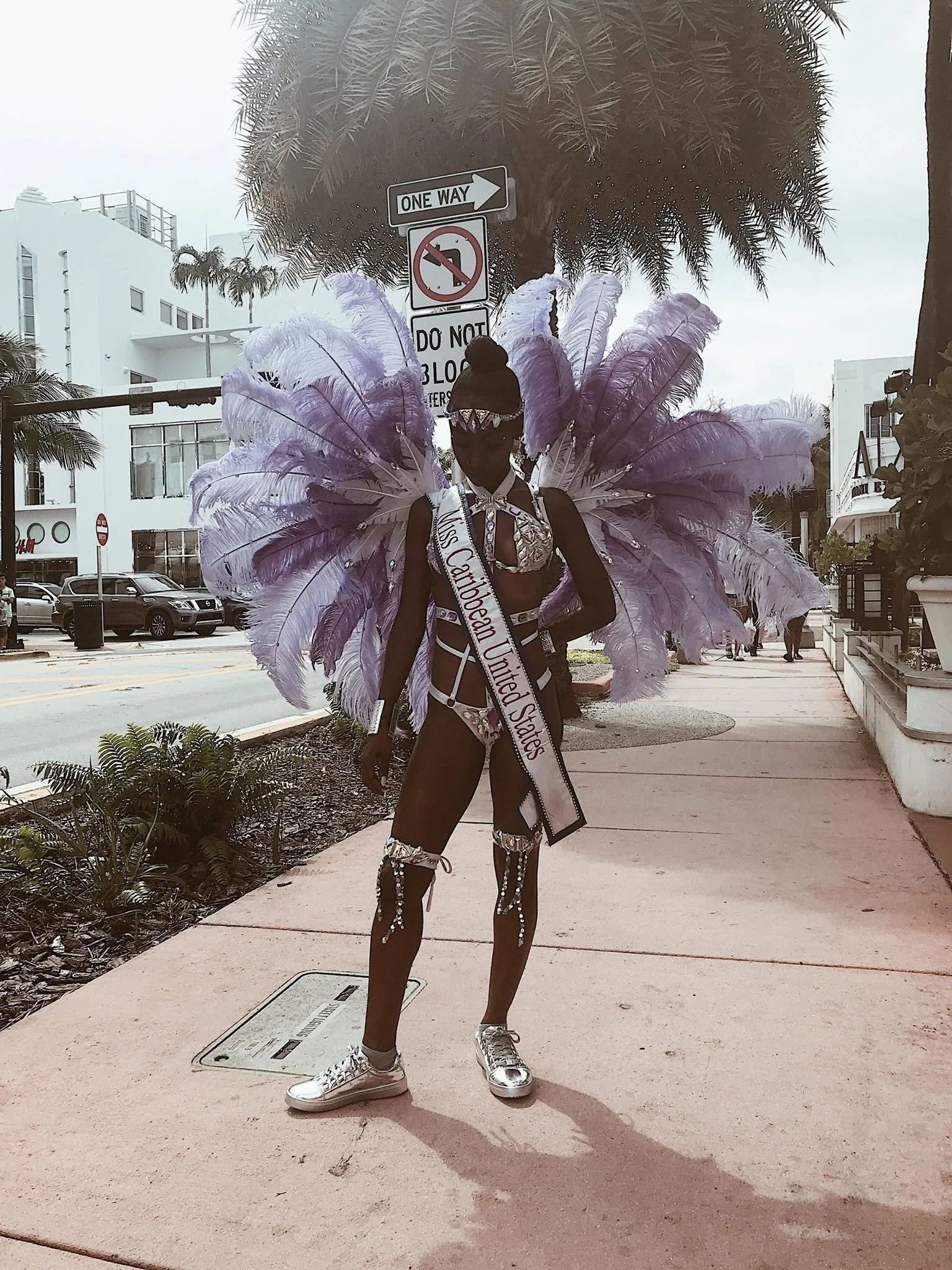
As Miss Caribbean United States at Miami Carnival in 2018.
I know I don’t have all the answers. Still, I believe criticism means very little if we are unwilling to participate in building something better. I want to listen, volunteer, learn, contribute, and bring my own ideas, experience, and perspective to the table.
It is easy to say that the torch needs to be passed. It is another thing to extend your hands and be willing to carry it. Mine are fully open.