
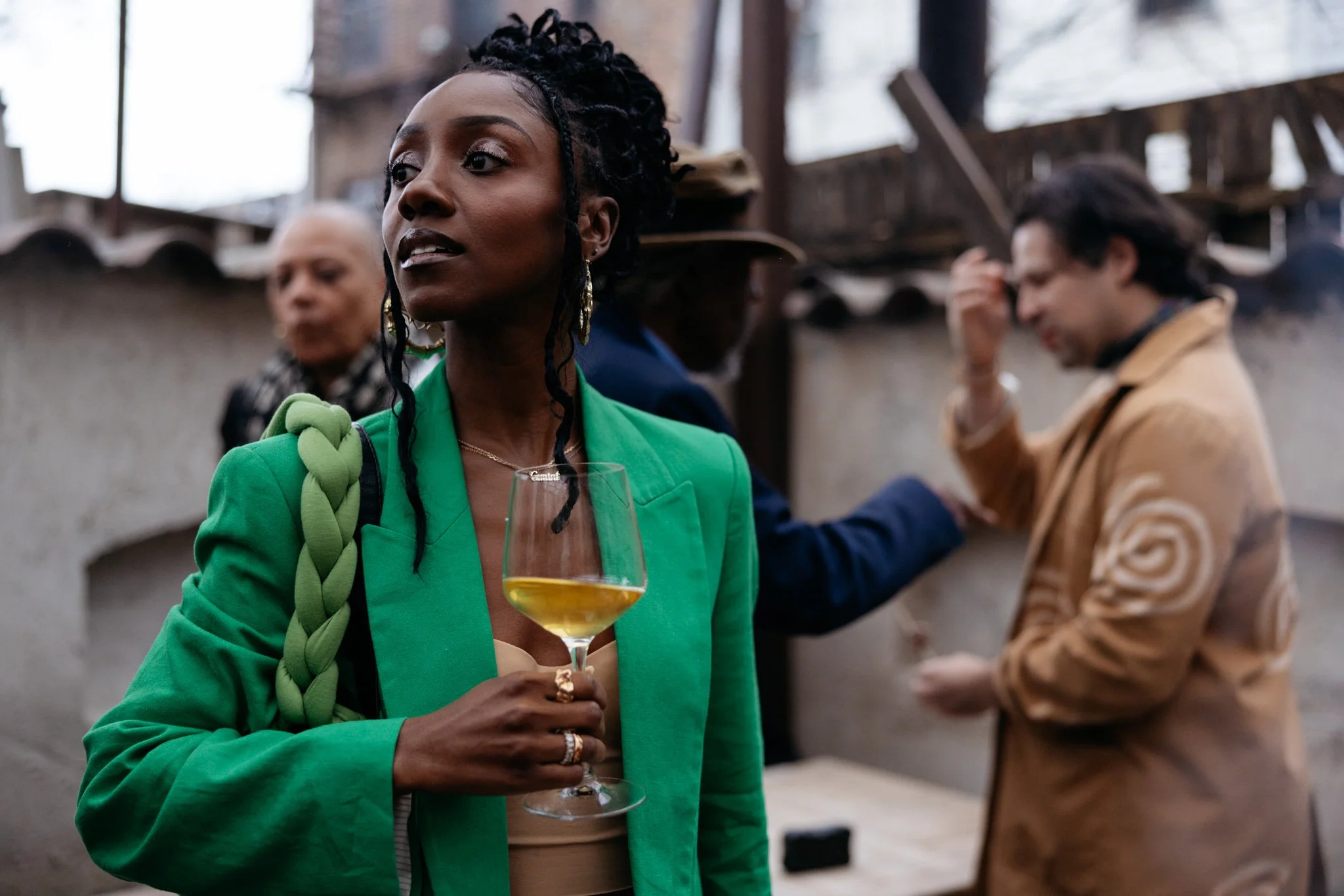
Becoming Without Permission
Have you ever wondered why we look for permission to be ourselves?
No one is formally asking another person if they are allowed to think a certain way or live a certain kind of life. Yet, it appears in the hesitation before expressing an opinion that might disrupt the room. Call me “devil’s advocate,” but it also appears in the instinct to silence parts of ourselves that feel too different, too complicated, or too difficult to explain.
What unsettles me most is how natural that hesitation has begun to feel.
We live in a moment where individuality is constantly celebrated in theory but quietly discouraged in practice. We’re encouraged to create a version of ourselves that is recognizable and easy to understand. It is a strange contradiction that we claim to value uniqueness while slowly teaching ourselves to resemble one another. It becomes less about expressing who we are and more about managing how we are received.
I’m beginning to wonder how often we mistake recognition for authenticity. When people respond positively to the version of ourselves that feels most coherent, it can feel like affirmation. But affirmation and truth are not always the same thing. Sometimes, affirmation means we have learned how to perform familiarity well enough for others to recognize it.
So then, what happens to the parts of us that are hard to express? Think about the ideas that are still developing and consider the interests that do not fit into the identities we have already created. These parts often need the most courage to share because they are not easy to understand. This may be where the real question of permission begins.
Permission means to exist in ways that are not immediately validated. We have the right to change our minds and grow beyond the versions of ourselves that others are and are not used to. Becoming your true self is not an easy process. It often means moving away from the expectations that once made you feel safe and those of others around you. This could disappoint people who liked the way you used to be, and that is a hard thing to face. But the longer I think about it, the more I realize that authenticity has never been about ease. It has always been about the risk of being misunderstood, of standing apart, and of discovering that the person you are becoming may not resemble the person others thought you would be.
That may be the real courage we are being asked to practice now.
Not the courage just to be seen, but the courage to be seen truthfully, even when that truth disrupts the image we once created and the image others have benefited from.
So why do we wait for permission to be ourselves? Perhaps it’s because we know that if we stop waiting, we will be solely responsible for the life we choose to lead and how we choose to live it, with no one else to blame but ourselves.